
Views: 0 Author: Site Editor Publish Time: 2025-11-16 Origin: Site
In today’s fast-paced packaging industry, efficiency, consistency, and hygiene are paramount. For manufacturers in food, pharmaceuticals, textiles, and other sectors, pillow vacuum packing machines have become indispensable. These machines not only preserve product freshness and quality but also provide a professional presentation and extend shelf life. However, like any industrial equipment, their performance and longevity depend heavily on proper maintenance. Neglecting regular care can lead to downtime, reduced sealing efficiency, and costly repairs.
A pillow vacuum packing machine is a type of automatic or semi-automatic packaging equipment designed to seal products in pillow-shaped bags under vacuum. By removing air from the package before sealing, these machines help prevent oxidation, microbial growth, and spoilage.
Common industries using pillow vacuum packaging include:
Food industry: snacks, candies, baked goods, coffee beans, dried fruits, and frozen items.
Pharmaceuticals: tablets, powders, and medical devices.
Textiles: pillowcases, blankets, and clothing sets.
Electronics: moisture-sensitive components and accessories.
The machine’s key components include the vacuum chamber, sealing bars, gas flushing system (if applicable), film feeding system, and control panel. Understanding these components is crucial for effective maintenance.
Daily maintenance is essential to keep your pillow vacuum packing machine operating at peak performance and to prevent minor issues from developing into major, costly problems. Performing simple, routine checks ensures that your machine consistently produces high-quality seals, maintains efficiency, and avoids unexpected downtime. A structured daily maintenance routine also extends the life of the machine and reduces the frequency of repairs, ultimately saving both time and operational costs.
After each production shift, it’s important to thoroughly clean the vacuum chamber and sealing bars. Residual product particles, dust, or oil can accumulate inside the chamber, and if left unattended, they can interfere with the vacuum process, compromise seal integrity, and even damage the machine over time. Use a soft, lint-free cloth or sponge to wipe all surfaces. Avoid abrasive cleaning tools that could scratch the metal or coated surfaces of the chamber and sealing area, as scratches can trap particles or compromise hygiene, especially for food-grade packaging operations.
Regular cleaning also prevents the buildup of microbial growth or product residue, which is particularly important for food, pharmaceutical, and perishable goods packaging. In addition, maintaining a clean chamber ensures that the vacuum cycle functions efficiently, preventing partial seals or defective packages.
Sealing bars and gaskets are subject to constant heat and pressure, which makes them prone to wear. Daily inspection is critical for identifying early signs of damage, such as grooves, burn marks, or residue buildup. Even minor imperfections on the sealing surface can result in poor seals or air leaks, compromising product safety and shelf life.
Clean the sealing bars using a mild detergent or alcohol wipe to remove any leftover material. Ensure that no residue is left behind, as it can affect heat transfer and sealing consistency. Gaskets, which maintain the airtight environment during vacuuming, should also be inspected for cracks, deformation, or stiffness. Damaged gaskets allow air to enter the vacuum chamber, reducing vacuum efficiency and leading to subpar packaging performance. Replacing gaskets at the first sign of wear prevents air leaks and ensures that every package meets quality standards.
The vacuum pump is the heart of the pillow vacuum packing machine. Daily monitoring helps identify early problems that could disrupt production. Check the oil level for oil-lubricated pumps, listen for unusual noises, and monitor the vacuum pressure during operation. Any drop in vacuum efficiency may indicate leaks, worn seals, or the need for oil replacement.
Ensuring the pump is functioning correctly not only maintains packaging quality but also prolongs the pump’s lifespan. A malfunctioning pump can lead to inconsistent vacuum levels, resulting in weak seals, air pockets, or premature spoilage of perishable products. For oil-free pumps, check the manufacturer’s instructions for recommended cleaning and filter maintenance to ensure optimal performance.
Proper film handling is essential for smooth, consistent packaging. Each day, inspect the film feeding system to ensure that the roll is aligned correctly and that the film is free from wrinkles, folds, or jams. Misaligned film can lead to uneven sealing, torn bags, or wasted packaging material.
Lubricate moving parts in the film feeding system as recommended by the manufacturer. This ensures that rollers, guides, and belts operate smoothly, reducing mechanical strain and preventing premature wear. Regular inspection of the feeding system also helps maintain consistent tension on the film, which is crucial for producing uniform pillow-shaped packages with precise dimensions.
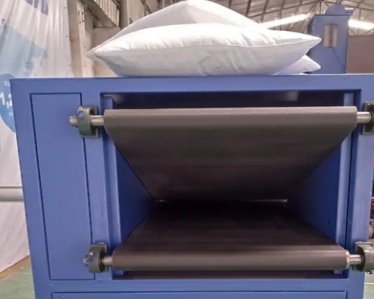
Weekly maintenance goes beyond daily cleaning and checks. It focuses on identifying components that are beginning to show signs of wear, ensuring that the machine operates reliably and minimizing the risk of unexpected downtime. These inspections also allow for proactive replacement of parts before they fail, maintaining consistent production quality.
Loose or corroded electrical connections are common causes of inconsistent machine operation or intermittent faults. Weekly inspection of all wires, terminals, and switches is critical, particularly in semi-automatic or fully automated machines. Ensure that connections are secure, free from corrosion, and functioning correctly.
Many pillow vacuum packing machines have chains, gears, sliding guides, or rollers that require regular lubrication. Weekly lubrication prevents rust, reduces friction, and ensures smooth, consistent operation. Use only the manufacturer-recommended lubricants to avoid compatibility issues. Avoid over-lubrication, which can attract dust or particles and interfere with machine performance.
The sealing bars’ heating elements must maintain a uniform temperature for consistent seals. Weekly checks should identify any visible damage, uneven heating, or burn marks. Replacing worn or faulty heating elements promptly prevents poor-quality seals, reducing material waste and the need for rework.
For oil-lubricated vacuum pumps, check the oil level and replace it according to the manufacturer’s schedule. Weekly inspection of filters is also important, as clogged or dirty filters can impede airflow and reduce vacuum efficiency.
More comprehensive maintenance should be conducted monthly or according to the machine’s usage intensity. These checks prevent long-term damage and maintain production consistency.
Examine belts, pulleys, and rollers for signs of wear or misalignment. Tighten loose screws and ensure that all moving parts operate smoothly. Replace components showing significant wear to prevent sudden breakdowns.
Conduct a full vacuum test to ensure that the machine reaches the specified vacuum level consistently. Measure the vacuum holding time and inspect for leaks in hoses, gaskets, and seals. Identifying small leaks early prevents product spoilage and energy inefficiency.
Regular calibration of sealing bar temperature, vacuum pressure sensors, and other electronic controls ensures precise operation. Miscalibration can lead to poor sealing, bag deformation, or wasted packaging material.
For machines with modified atmosphere packaging (MAP) functionality, check the nitrogen or CO₂ gas supply system. Ensure that valves, nozzles, and sensors are clean and functioning properly to maintain correct gas ratios.
Beyond routine maintenance, adopting certain operational best practices can extend the life of your pillow vacuum packing machine.
Skilled operators reduce the risk of accidental damage. Train staff on proper loading techniques, correct film handling, and emergency shutdown procedures. Operator errors are a common cause of premature wear or mechanical failures.
Always use packaging films compatible with your machine. Incorrect film thickness or material type can strain the vacuum pump, heating elements, and sealing bars. Follow manufacturer guidelines for film selection.
Exceeding the recommended production speed or overfilling bags can strain the vacuum pump and sealing system. Stick to the manufacturer’s operational limits to ensure longevity.
Periodic professional inspections allow experts to identify hidden issues and replace worn components before failure occurs. This is particularly important for high-volume operations where machine downtime can be costly.
Regular maintenance helps avoid common problems such as:
Poor sealing quality: often caused by dirty sealing bars or worn gaskets.
Reduced vacuum pressure: caused by leaks, worn vacuum pump components, or clogged filters.
Film wrinkling or tearing: due to misaligned film rolls or worn rollers.
Excessive machine noise or vibration: usually from unlubricated moving parts or loose components.
By adhering to maintenance schedules, these issues can be minimized or eliminated, ensuring consistent production quality and efficiency.
Pillow vacuum packing machines are vital assets in modern packaging operations. Ensuring their longevity requires a proactive approach to maintenance, including daily cleaning, weekly inspections, periodic component checks, and operator training. By following these best practices, manufacturers can maintain high productivity, minimize downtime, and protect their investment while consistently delivering high-quality packaged products.
For businesses looking to purchase or maintain pillow vacuum packing machines, www.sojetmachine.com offers professional guidance, innovative solutions, and reliable equipment. Their expertise ensures that your packaging operations remain efficient, safe, and cost-effective.


